
Biography
Sanjeev Sinha 1963 – 2020
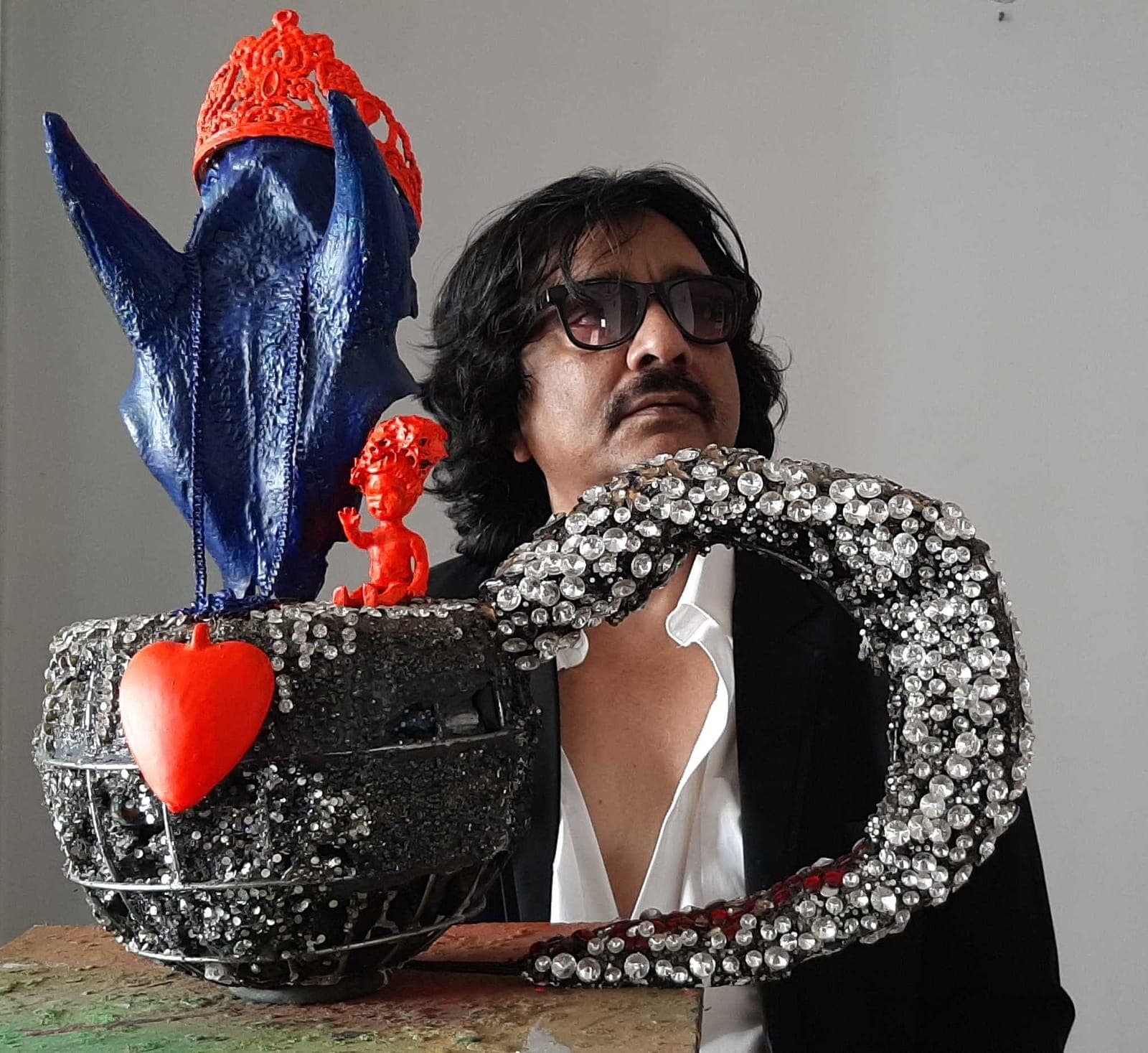
Sanjeev Sinha was born in 1963 in Barh, in the Indian state of Bihar, and graduated from the College of Arts & Crafts Patna. He moved from Patna to Lucknow, and in the 90s, he chose Delhi to be his permanent residence. Sanjeev Sinha played a prominent role in the young Bihari art generation, which emerged in the 80s and since then he has exhibited his works in Kolkata, Delhi, Mumbai, Patna, Lucknow, Bangladesh, and Turkey. In 1991, he was the first artist of his generation to have won the National Academy Award.
Sinha’s work is strongly rooted in Indian culture. He formed his own visual language incorporating Hindu and Buddhist mythologies with his personal reflections on society.
“In my early works I tried to capture silence because the world was full of war. War still rages on. So what can I do? I can show peace in front of this situation. If there is a fire I can put water on it, something against the situation. All the time, every time you can see people dying. Some religious fights, civil war, political war, that’s why I try to paint only peace.”
The early works · 1990s
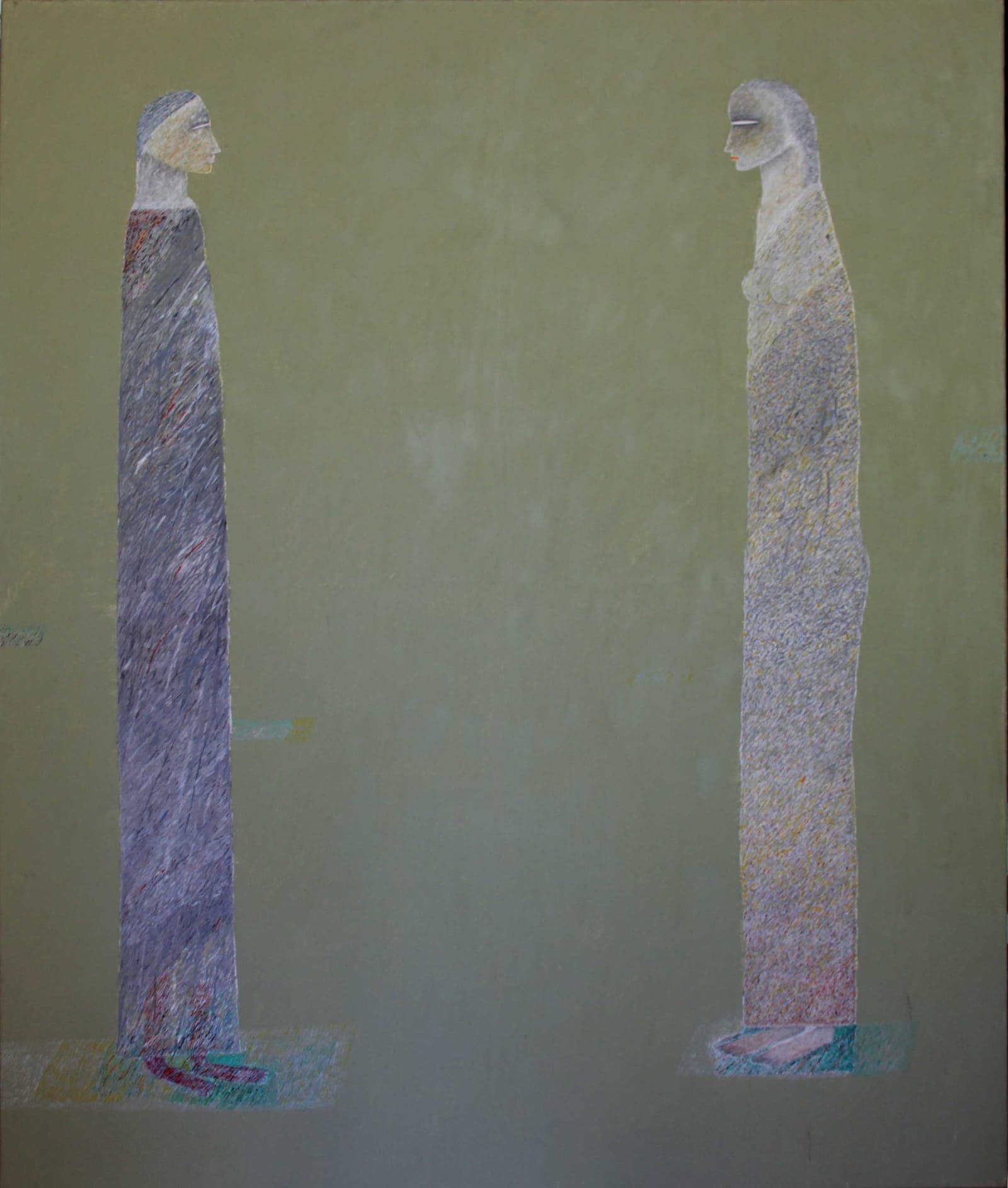
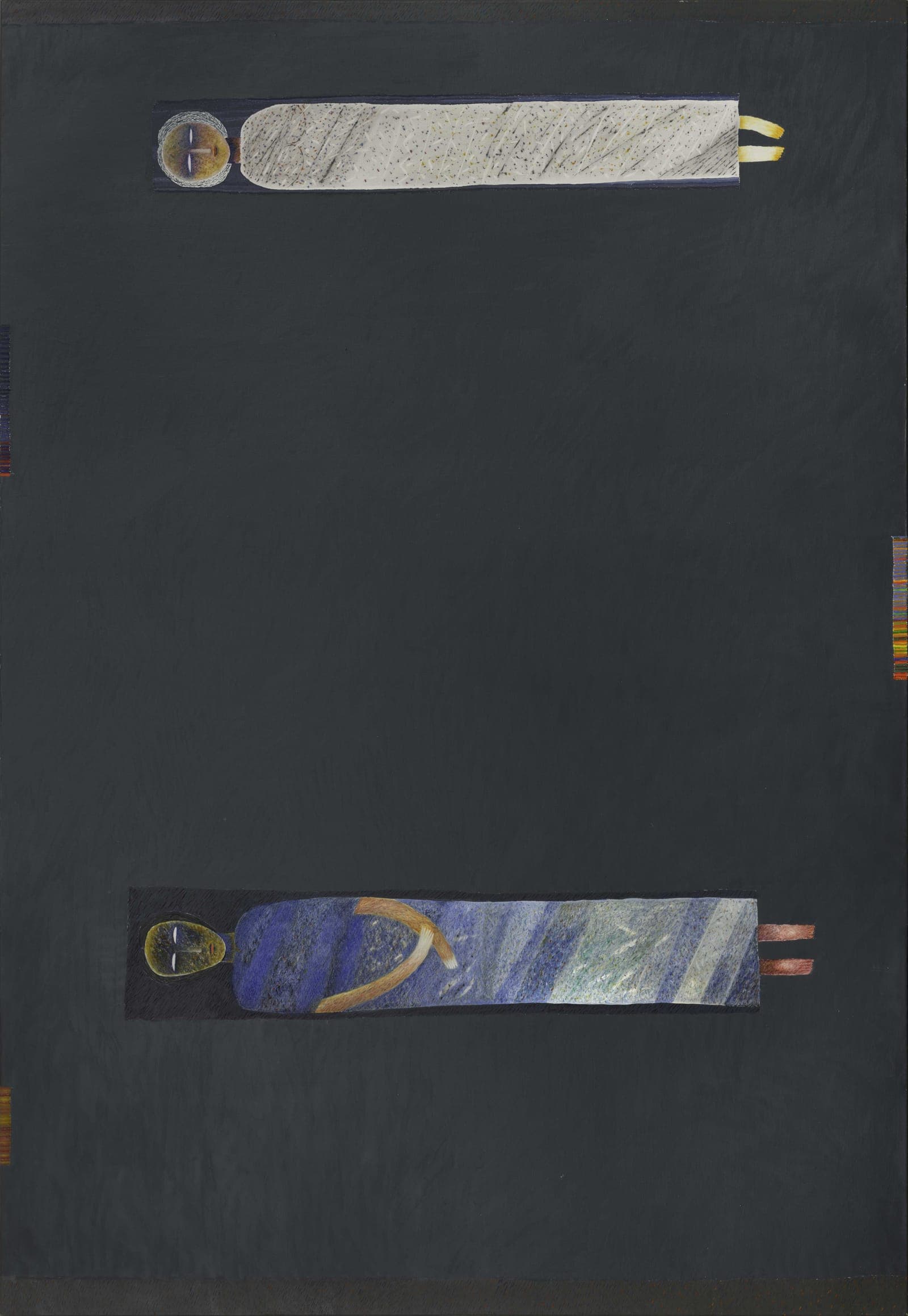
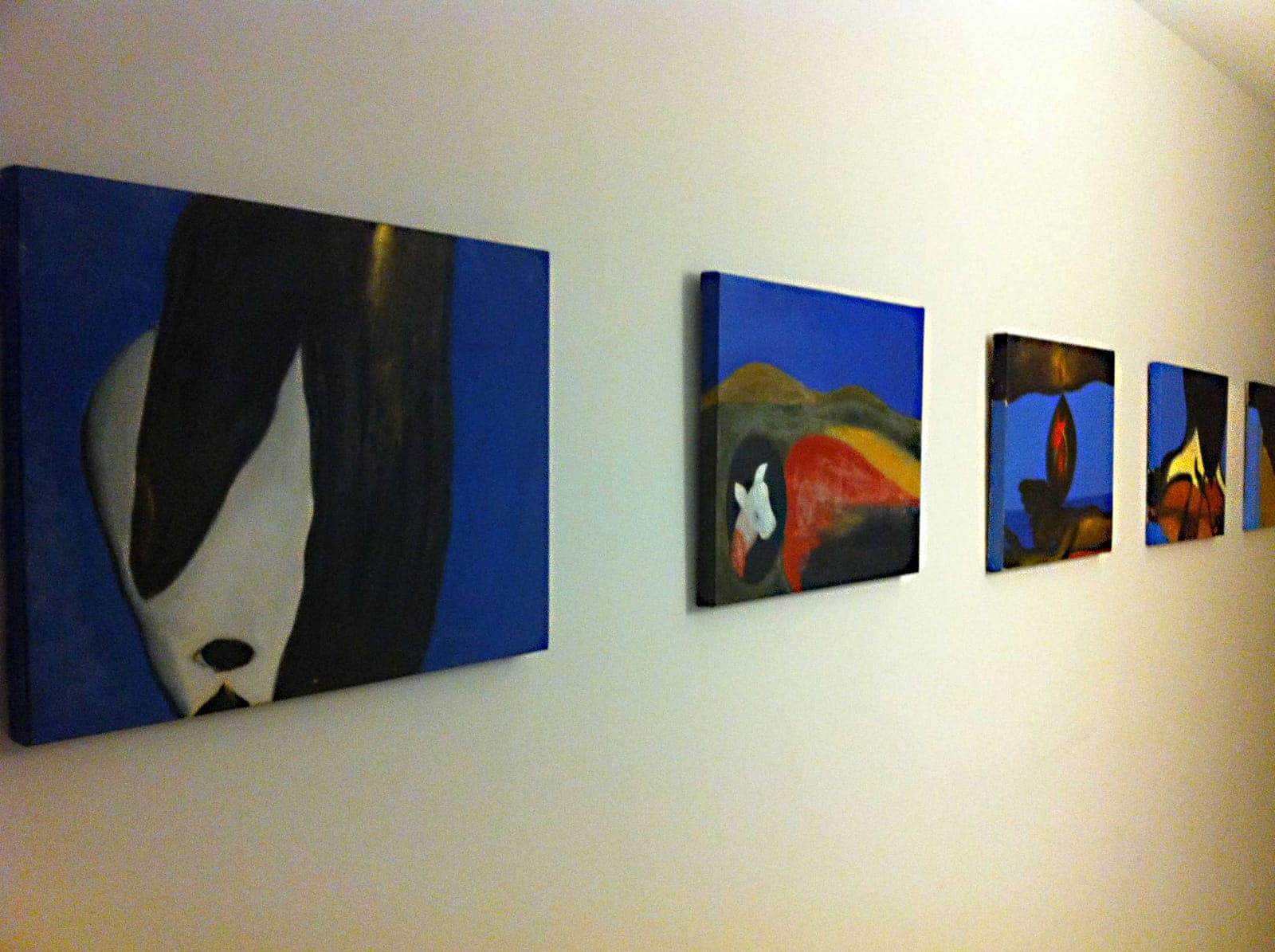
His early works from the 90s are more subdued; mainly consisting of one or two figures composed of tiny brushstrokes on an almost monochrome canvas.
In 1991, Sinha was part of a group show in the Municipal Museum in Arnhem, Netherlands. The exhibition “Nine Contemporary Indian Artists” received much acclaim and was composed from the collection of the former Dutch ambassador in India, Eegje Schoo.
Whereas these works have muted colors Sinha, being a true colorist, started using bright colors and even gold pigments soon after.
A style without borders
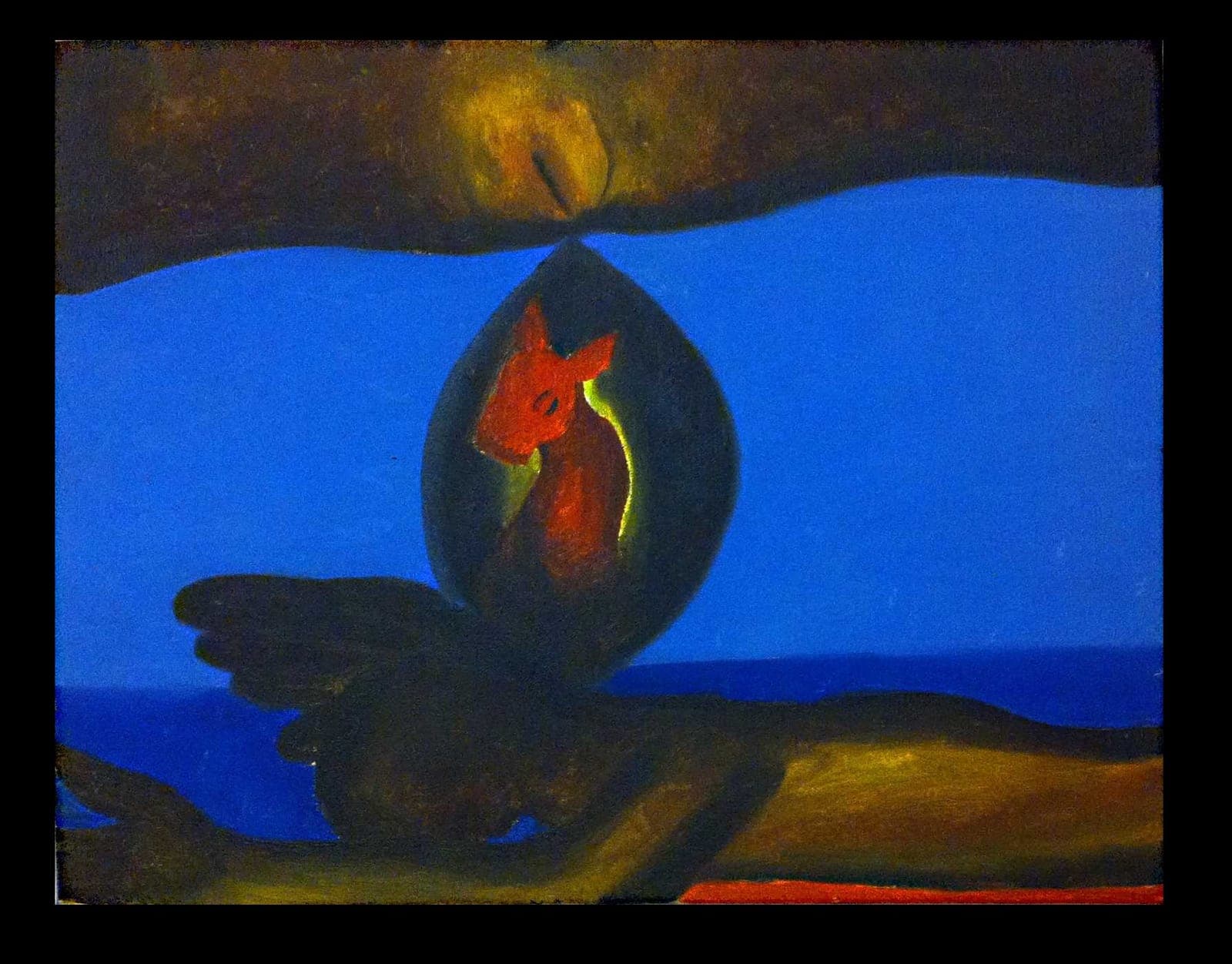
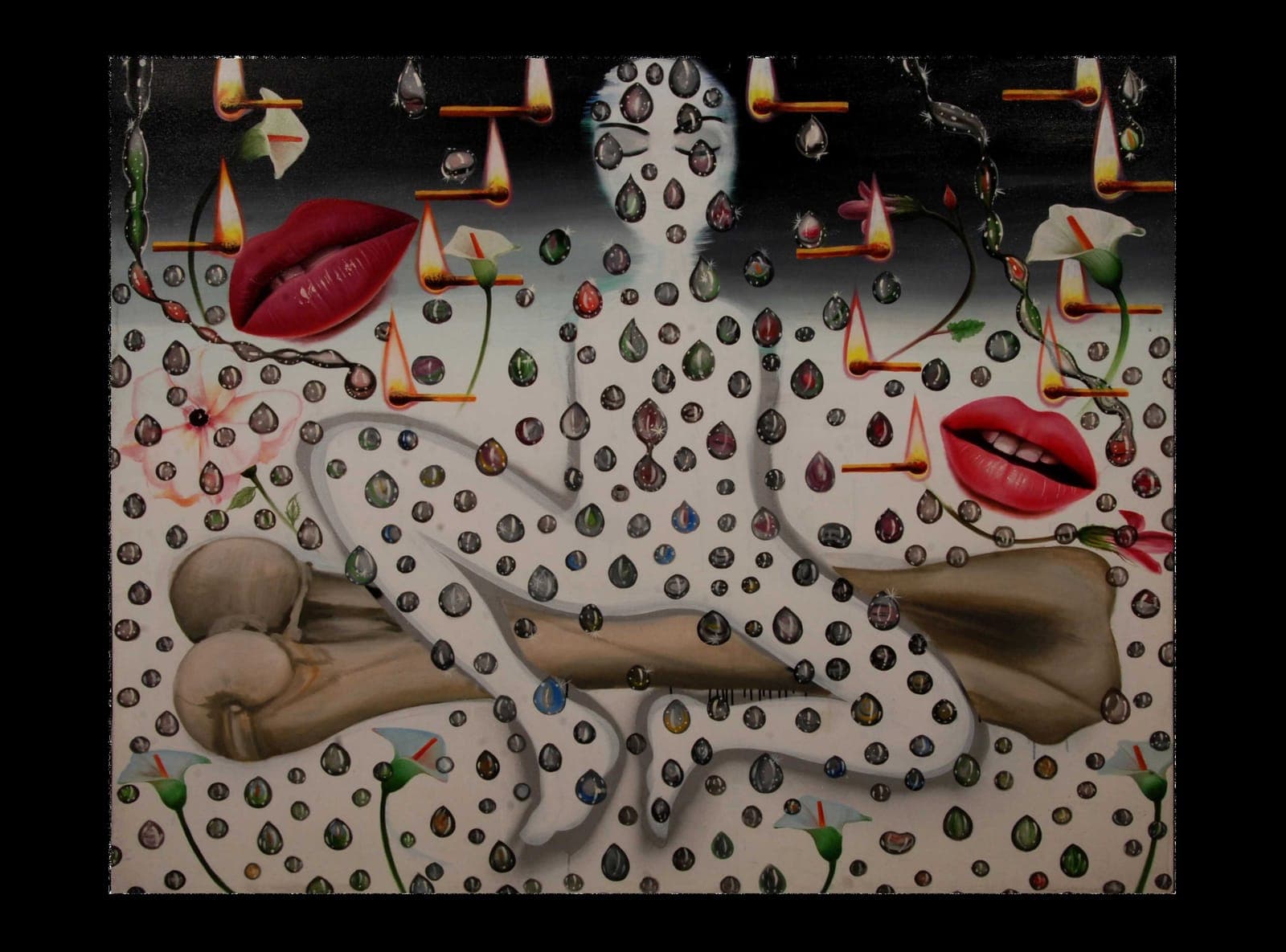
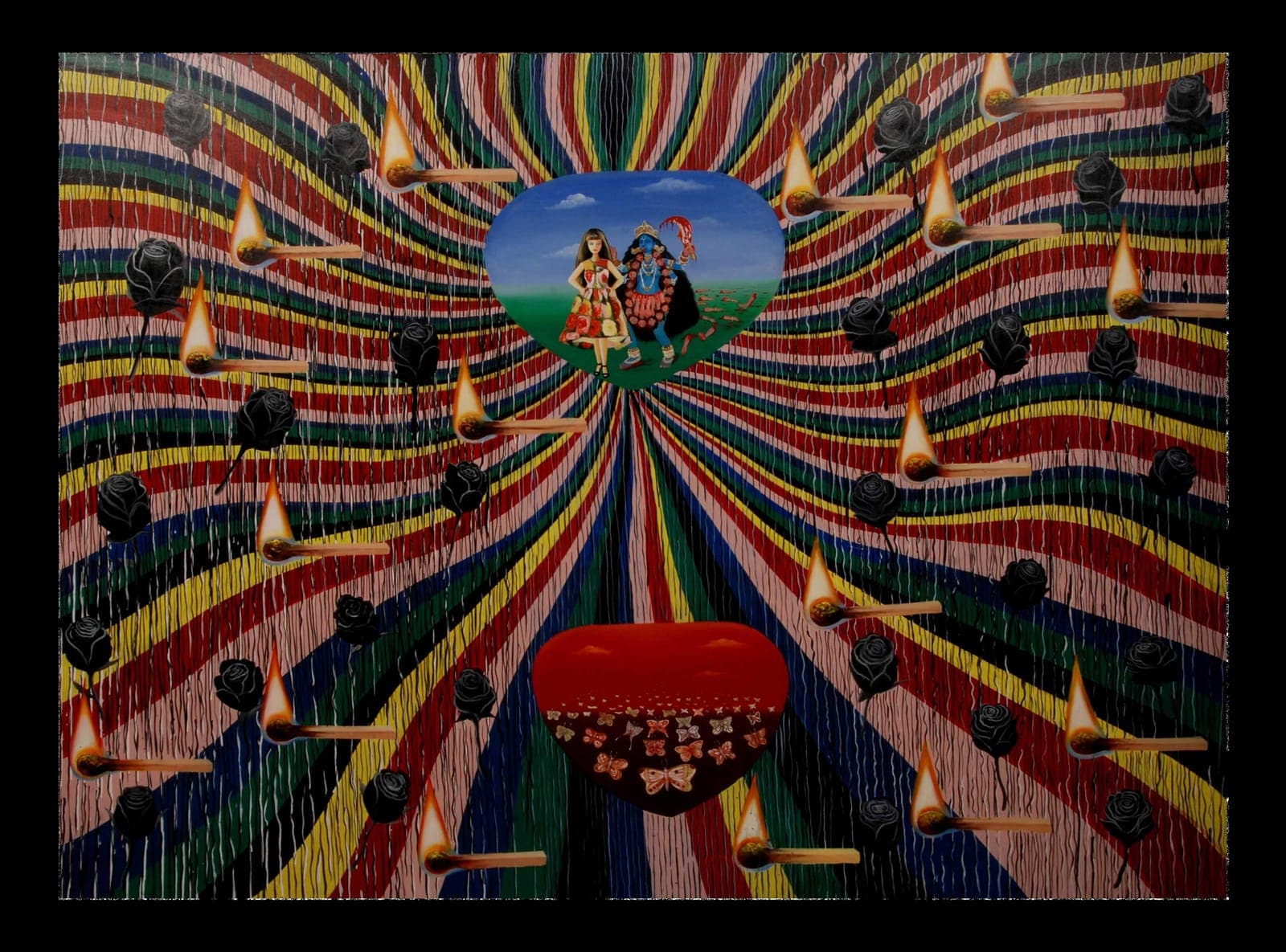
In 2013, Sinha made a series of works with the title Gentle Bite. These canvases are overloaded with different stylistic approaches layered on the same canvas; a fastly undefined white painted figure surrounded or covered by realistic painted roses or matchsticks. In another canvas, he knows to place the ferocity of Goddess Kali next to a Barbie doll.
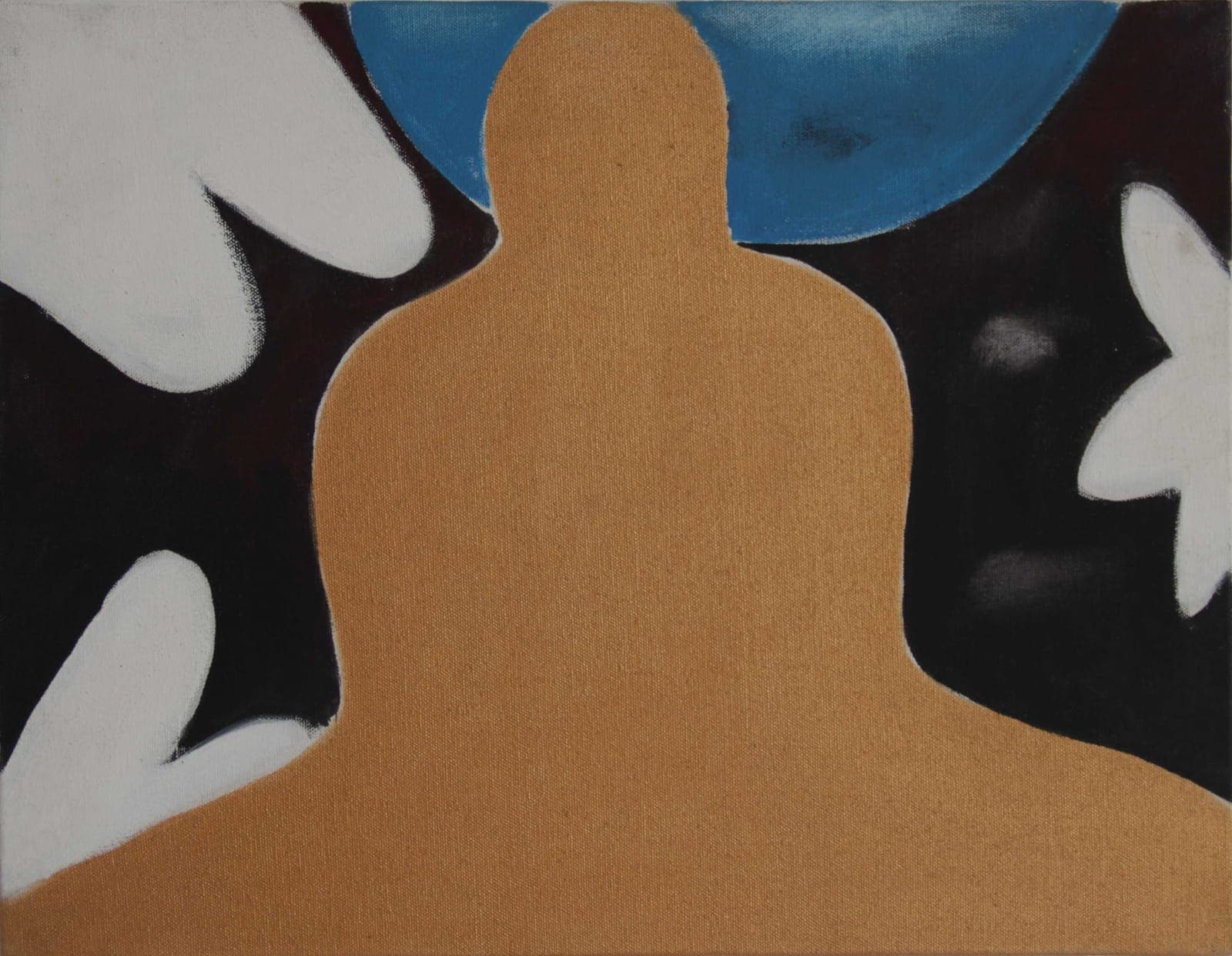
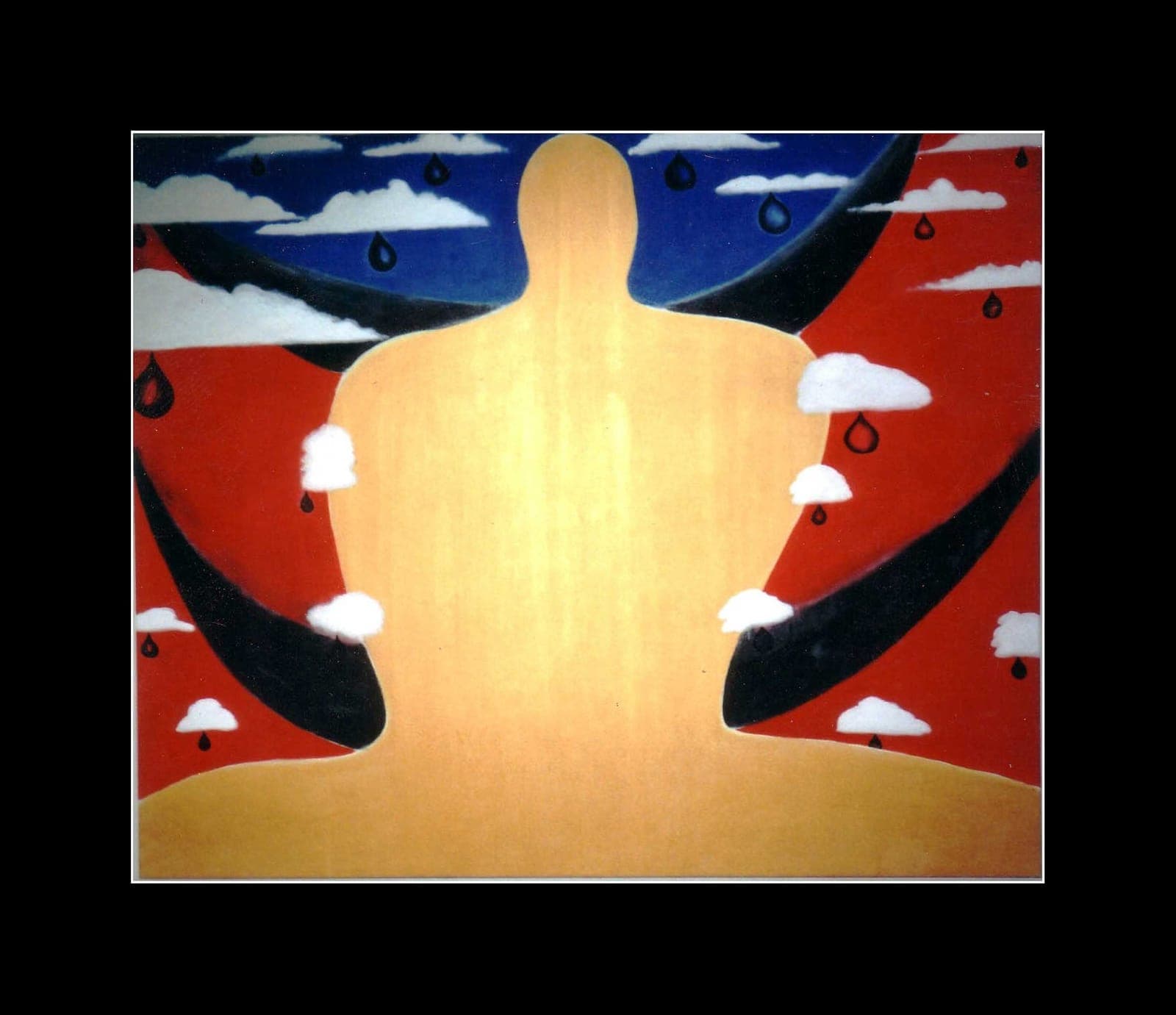
With his independent approach towards a style he also could freely move between different approaches towards compositions. He could as easily paint a flat stylized buddha shape dominating the majority of the canvas as well as a hut almost as a frame to create an emotionally charged situation within. These are not opposites but he moved back and forth during his career choosing both sides of the coin with the same persuasiveness.
Intimate worlds in sculpture
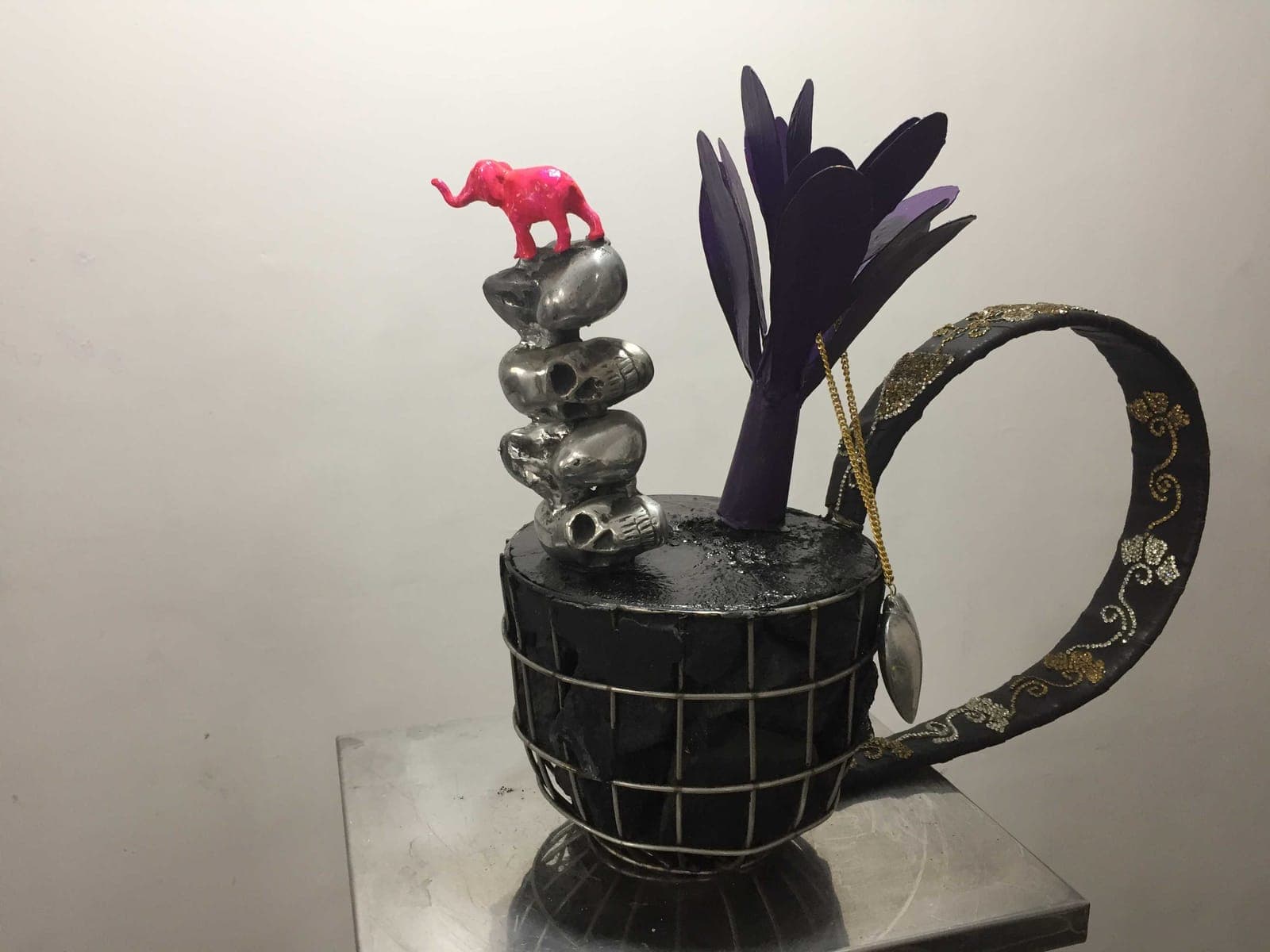
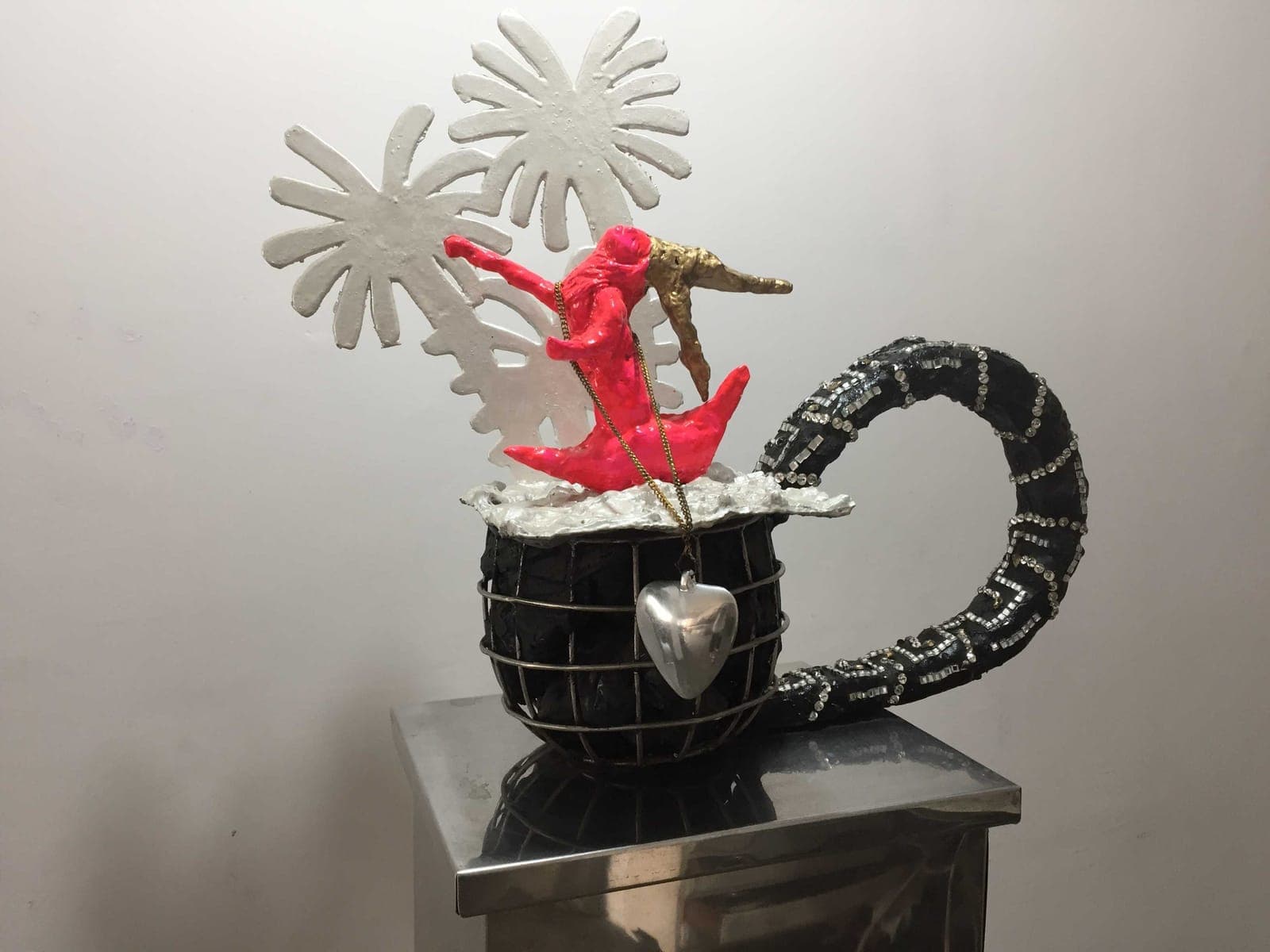
The sculptures he made relate strongly to his paintings. They are intimate created worlds with the grandeur of a statue playing with your interpretation of size. They resemble big tea cups with enlarged handles. The handles are decorated with glitters and mirrors, common in Indian daily life. The ‘cups’ are made from stainless steel wire and filled with coal. On top of the cups, he compiles situations ranging from self made clay figures to ready-mades, toys and religious items. These items are casted in aluminum and galvanized or painted.
Art & World Peace
Buddha Enlightened, Bodh Gaya
In 2006, Sanjeev got the idea of an artist initiative, Buddha Enlightened Art & World Peace, the first international site-specific event in Bodh Gaya on a UNESCO world heritage site in Bihar, India. With the concept of world peace in mind he considered this to be the ultimate place for this project. Thirty-one artists, from all over the world, came to Bihar to be part of this initiative. Buddha Enlightened generated a contemporary multicultural synergy in the traditional Buddhist pilgrimage town, a place not associated with contemporary art. Since then, Sinha together with his partner Dianne Hagen (an artist from the Netherlands) organized Buddha Enlightened two more times. The last was in 2017 with 11 international artists creating (semi) permanent sculptures in the Maya Sarovar park in Bodh Gaya.
Sanjeev Sinha’s works are in numerous public and private collections in India and abroad. He is the winner of the National Academy Award in 1991, the Bihar State Award and the U.P. State Award in 1987.
Chronology
1963
Born in Barh, in the Indian state of Bihar.
1980s
Graduates from the College of Arts & Crafts, Patna, and emerges as a prominent voice of the young Bihari art generation. Moves from Patna to Lucknow.
1987
Wins the Bihar State Award and the U.P. State Award.
1991
First artist of his generation to win the National Academy Award. Part of the acclaimed group show “Nine Contemporary Indian Artists” at the Municipal Museum in Arnhem, Netherlands.
1993
Begins a three-decade collaboration with Els Reijnders and the Foundation for Indian Artist, exhibiting at Gallery F.I.A in Amsterdam.
1990s
Chooses Delhi as his permanent residence. Exhibits in Kolkata, Delhi, Mumbai, Patna, Lucknow, Bangladesh and Turkey.
2004
Participates in “Art for Vision” at Lalit Kala Akademi, New Delhi — a 112-artist charity exhibition.
2006
Conceives and heads “Buddha Enlightened, Art & World Peace” at the Maha Bodhi Temple, Bodh Gaya — the first international site-specific art event on the UNESCO World Heritage Site, with 31 artists from around the world.
2009
“Grave for Nothing”, a collaborative exhibition with Dianne Hagen at Religare Arts.i Gallery, New Delhi, curated by Elizabeth Rogers and Johny ML. The documentary “Memorials for Something” premieres at the opening.
2011 & 2017
Organizes further editions of Buddha Enlightened with Dianne Hagen; the 2017 edition brings 11 international artists to create (semi) permanent sculptures in the Maya Sarovar park, Bodh Gaya.
2013–2020
Creates his late body of work: the painting series Gentle Bite, Assertive Grey, Life Without Secrets and Where Arrows Grow, and the Pathless Land sculptures.
2020
Passes away in Delhi during the COVID-19 pandemic.
2024
The Sanjeev Sinha Foundation presents “Buoyant Iconic Depth” at India Habitat Centre, New Delhi — 45 paintings and 14 sculptures, fulfilling his wish to show paintings and sculptures side by side.